%2Ffit-in%2F250x250%2Fguide_websites%2F56210%2Fimages%2F1761713167363gemini_generated_image_3zabva3zabva3zab-removebg-preview.png&w=1920&q=100)
/users/9f5cd9d0-2add-4f49-b0a8-cd596feb950f/ratecard/549172601_122166351476713437_3550389593187160559_n-mhbi3bxr.jpg)
%2F300x300%2Fusers%2F9f5cd9d0-2add-4f49-b0a8-cd596feb950f%2Fratecard%2F549172601_122166351476713437_3550389593187160559_n-mhbi3bxr.jpg&w=256&q=75)
%2F300x300%2Fusers%2F9f5cd9d0-2add-4f49-b0a8-cd596feb950f%2Fimages%2Fredfish-caught-nc-fishing-2734.jpg&w=256&q=75)
%2F300x300%2Fusers%2F9f5cd9d0-2add-4f49-b0a8-cd596feb950f%2Fimages%2Ftwo-kings-blackfin-beaufort-2762.jpg&w=256&q=75)
%2F300x300%2Fusers%2F9f5cd9d0-2add-4f49-b0a8-cd596feb950f%2Fimages%2Flittle-tunny-fish-beaufort-2656.jpg&w=256&q=75)
%2F300x300%2Fusers%2F9f5cd9d0-2add-4f49-b0a8-cd596feb950f%2Fimages%2Fgreater-amberjack-nc-fishing-2664.jpg&w=256&q=75)
%2F300x300%2Fusers%2F9f5cd9d0-2add-4f49-b0a8-cd596feb950f%2Fimages%2Fpicturesque-beaufort-waterfront-2584.jpg&w=256&q=75)
%2F300x300%2Fusers%2F9f5cd9d0-2add-4f49-b0a8-cd596feb950f%2Fimages%2Fstriped-bass-north-carolina-2712.jpg&w=256&q=75)
%2F300x300%2Fusers%2F9f5cd9d0-2add-4f49-b0a8-cd596feb950f%2Fimages%2Fspotted-weakfish-north-carolina-2726.jpg&w=256&q=75)
%2F300x300%2Fusers%2F9f5cd9d0-2add-4f49-b0a8-cd596feb950f%2Fimages%2Fpacific-halibut-fishing-nc-2798.jpg&w=256&q=75)
%2F300x300%2Fusers%2F9f5cd9d0-2add-4f49-b0a8-cd596feb950f%2Fimages%2Frainbow-trout-fishing-north-carolina-2646.jpg&w=256&q=75)
%2F300x300%2Fusers%2F9f5cd9d0-2add-4f49-b0a8-cd596feb950f%2Fimages%2Fspotted-weakfish-beaufort-fishing-2711.jpg&w=256&q=75)
Beaufort's Premier Offshore Mahi & Wahoo Charter
What you will be catching:
 Atlantic Sailfish
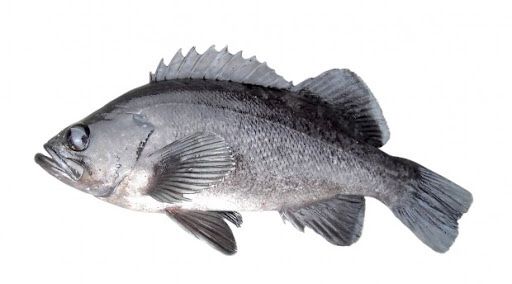 Black Rockfish
 Little Tunny
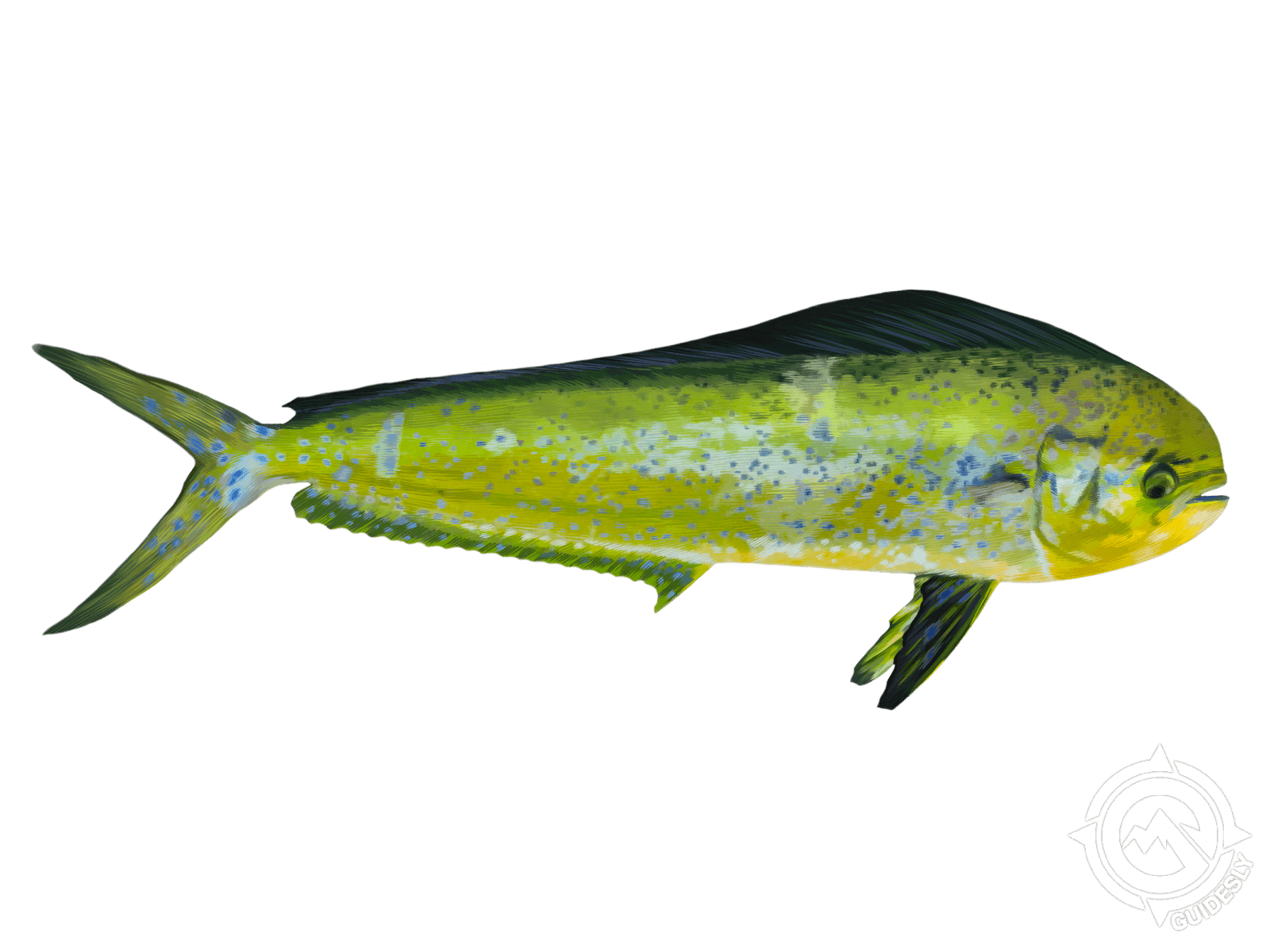
 Mahi Mahi or Common Dolphinfish
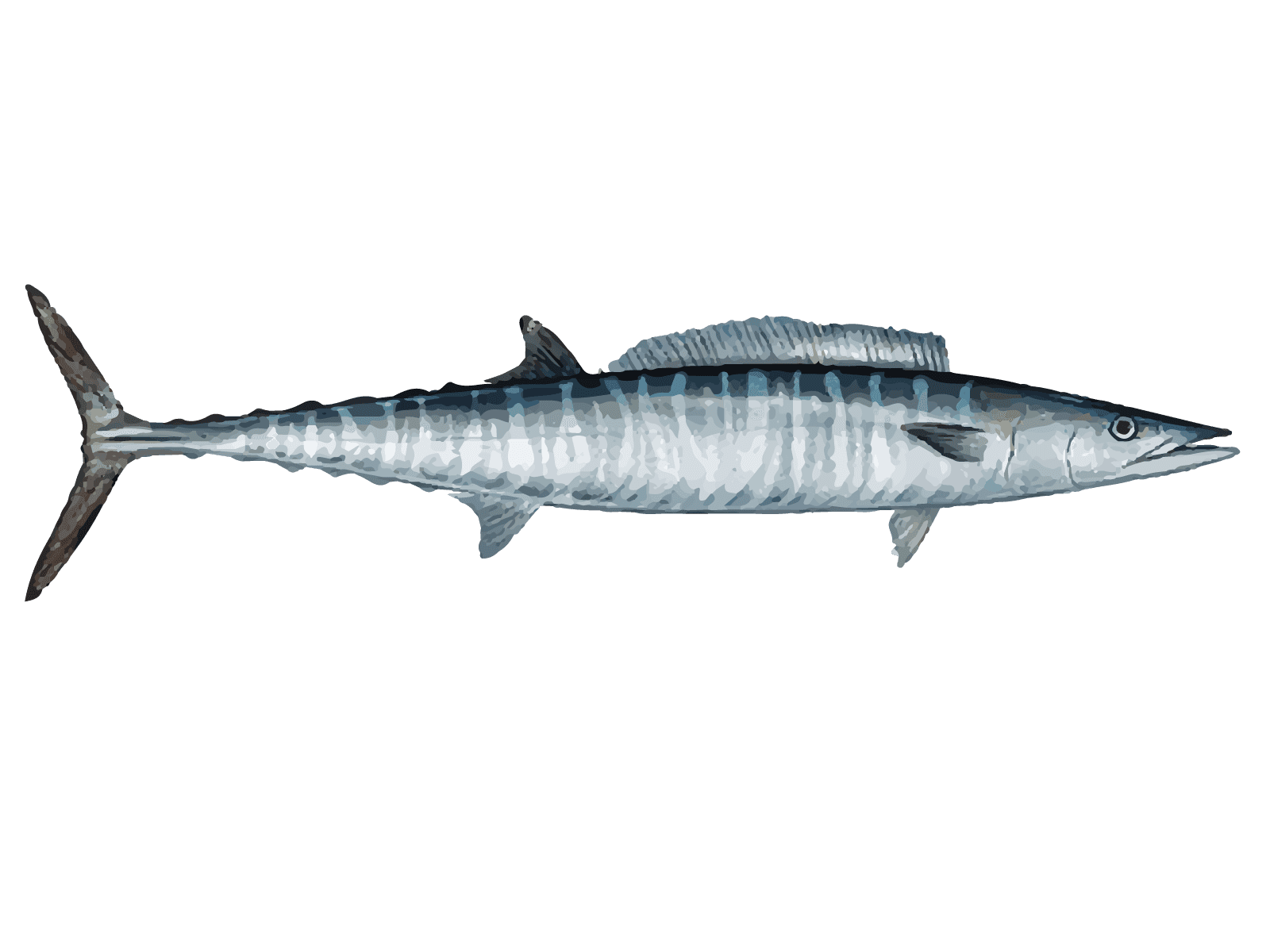
 Wahoo Fish
- Full-day offshore charter targeting Mahi, Wahoo, Sailfish, and Tuna
- 27-foot Contender accommodates four anglers with all tackle provided
- Ten-hour excursion available May through mid-November from Beaufort, NC
Trip Pricing and Availabilities:
Epic Offshore Adventure: Mahi, Wahoo & More
Ready for some serious offshore action? Our Beaufort NC charter takes you straight to where the big boys play. We're talking mahi mahi that'll make your reel sing, wahoo that'll test your drag, and the chance to tangle with a sailfish – the holy grail of sportfishing. This ain't your average day on the water, folks. We're heading 30+ miles out where the Gulf Stream serves up a smorgasbord of pelagic predators. Whether you're a seasoned salt or looking to notch your first offshore catch, we've got you covered. So grab your sunscreen and let's chase some dreams on the deep blue.
Trip Overview
Rise and grind, anglers! We're casting off at the crack of dawn – 5 AM sharp. Our 27' Contender is a lean, mean, fish-fighting machine that'll get us to the hotspots in no time. You and three buddies will have 10 full hours to work the offshore grounds. We typically start by trolling the weedlines and temperature breaks where the mahi and wahoo hang out. As we work our way back in, we'll make a few stops to drop some jigs and see what's biting on the bottom. The Gulf Stream's always got a few surprises up its sleeve, so stay on your toes. Don't worry about gear – we've got top-notch rods, reels, and a tacklebox full of proven lures. Just bring your A-game and be ready to reel!
Tactics & Techniques
Offshore fishing's a whole different ballgame from inshore, and we've got it dialed. We'll be using a mix of techniques to target different species throughout the day. For mahi and wahoo, we'll be trolling with a spread of lures and rigged ballyhoo. Keep an eye out for floating debris or weedlines – that's prime mahi territory. If we spot a nice piece of structure, we might slow down and pitch some live baits. For sailfish, it's all about finesse and patience. We'll use lighter tackle and maybe even fly fishing gear if that's your style. As we work our way back in, we'll break out the jigging rods and see what's lurking on the ledges and reefs. Bottom fishing's a great way to put some meat in the box and round out the day. Whether it's high-speed trolling or precision bottom fishing, we'll make sure you're in on the action.
Species You'll Want to Hook
Mahi Mahi (Dolphinfish): These neon-green and yellow acrobats are the crown jewels of offshore fishing. They're known for their spectacular aerial displays and their delicious, firm white meat. Mahi can grow up to 30 pounds in our waters, with the average catch being 10-15 pounds. They're aggressive feeders and often travel in schools, so when you find one, get ready for a frenzy. Peak season is May through September when the water warms up and the weedlines form.
Wahoo: If you're looking for speed, wahoo's your fish. These streamlined torpedoes can hit speeds of 60 mph and make blistering runs that'll have your drag screaming. They're solitary hunters, so hooking one is always a treat. Wahoo meat is prized for its delicate flavor and firm texture. We typically see them in the 30-50 pound range, but 100+ pounders aren't unheard of. Fall is prime wahoo time, but we catch them year-round.
Atlantic Sailfish: The holy grail of sportfishing, sailfish are the reason many anglers book offshore trips. These majestic creatures are known for their incredible acrobatics and their distinctive sail-like dorsal fin. They're catch-and-release only, but the memories of battling a sailfish will last a lifetime. We see them most often from May to November, with peak action in the late summer and early fall.
Blackfin Tuna: Don't let their smaller size fool you – blackfin tuna punch well above their weight class. These football-shaped speedsters typically range from 10-30 pounds and put up a fight that'll leave your arms burning. They're often found in schools, so when you hook one, be ready for more. Blackfin are around all year, but we see the best numbers from fall through spring.
Black Sea Bass: As we work our way back in, we often stop to jig for these tasty bottom dwellers. Sea bass might not have the glamour of offshore pelagics, but what they lack in size, they make up for in numbers and flavor. They're a great way to fill the cooler and ensure you've got plenty for the grill. We catch them year-round, with the biggest fish showing up in the cooler months.
What to Expect on the Water
A day offshore is always an adventure, and no two trips are the same. We'll cover a lot of ground, so be ready for a mix of action-packed fishing and scenic cruising. The Gulf Stream's a dynamic environment, and conditions can change quickly. We might start the day in flat calm seas and end up with a sporty ride home – that's all part of the offshore experience. Keep your eyes peeled for flying fish, sea turtles, and even the occasional pod of dolphins. Don't forget to look up, too – we often see frigatebirds and other seabirds that can lead us to fish. And there's nothing quite like watching the sun rise over the open ocean as we cruise to our first spot. It's a long day on the water, so pace yourself, stay hydrated, and don't forget to soak in the whole experience.
Time to Book Your Spot
If you're itching for some world-class offshore action, our Beaufort NC charter's got you covered. From hard-fighting mahi to the chance at a bucket-list sailfish, this trip's got something for every angler. We've got the knowledge, the gear, and the hot spots – all you need to bring is your sense of adventure. Remember, offshore season runs from May 1 to November 15, and the prime dates fill up fast. So don't wait – get your crew together and lock in your spot. The big ones are out there waiting, and trust me, there's nothing like that first run of a wahoo or the acrobatics of a lit-up mahi to get your heart racing. Book now and let's make some offshore memories!
Learn more about the animals
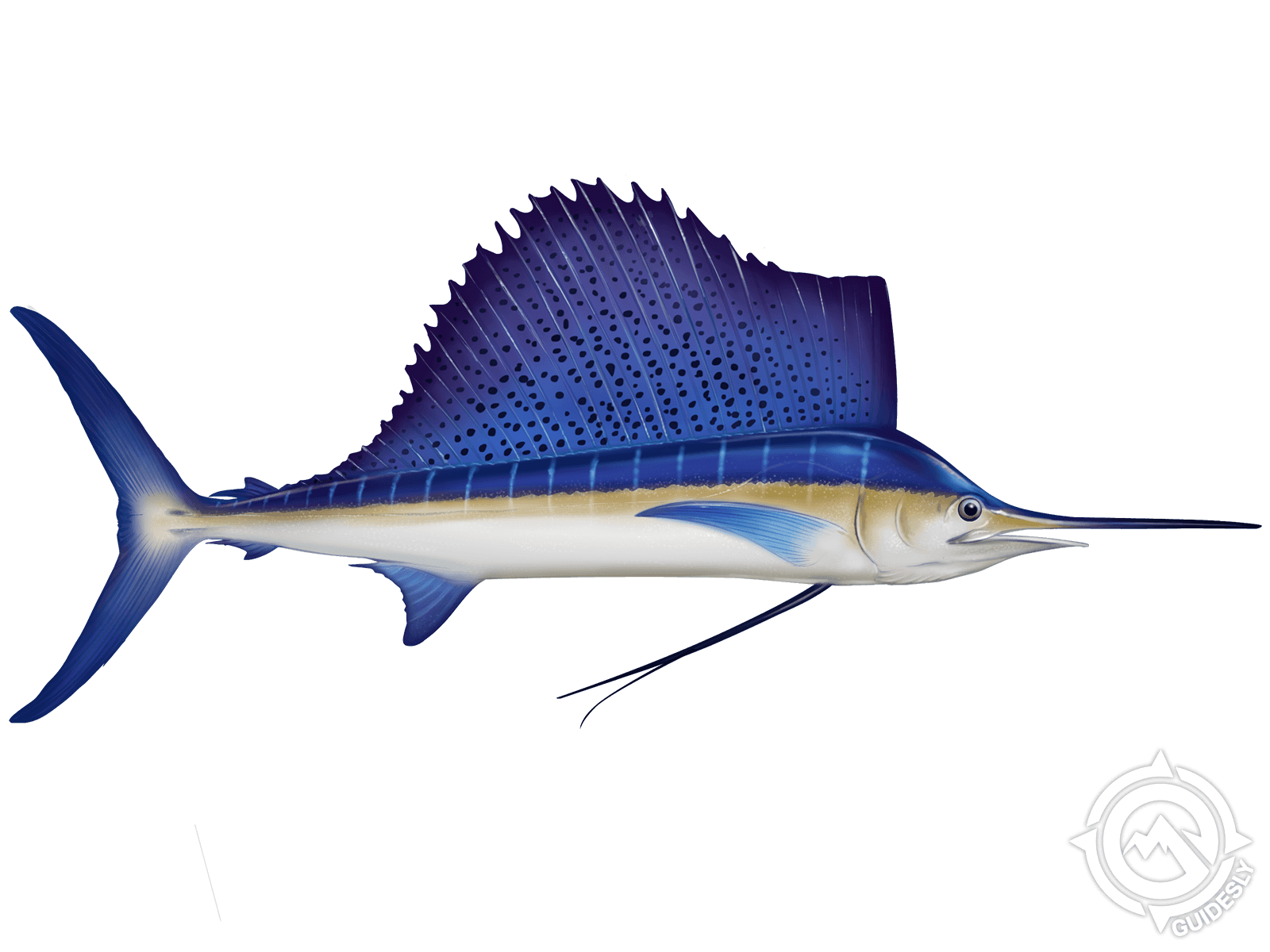
Atlantic Sailfish
Sailfish are the showstoppers of offshore fishing. These acrobatic fighters average 6-8 feet long and put on an incredible aerial display when hooked. We find them spring through fall, usually 20-30 miles out near the Gulf Stream edge. They hunt in packs, using those big sails to corral baitfish. Sailfish are catch-and-release only, but the thrill of battling one makes the trip worthwhile. We troll with rigged ballyhoo or lures to entice a bite. When a sail strikes, it often greyhounds across the surface. Keep your rod tip up and let it run to tire itself out. Once you've got it alongside, we'll snap a quick photo before a careful release. Pro tip: Have your camera ready - you won't want to miss that first spectacular leap.
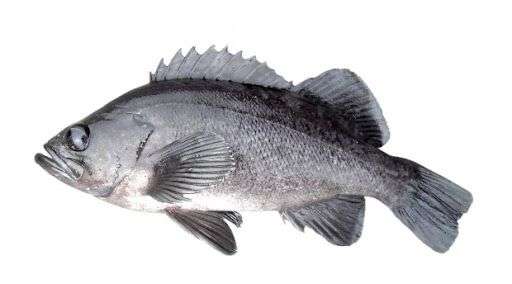
Black Rockfish
Black Rockfish are bottom-dwellers we catch while targeting other species. They're not huge - usually 2-5 pounds - but they put up a decent fight for their size. You'll find them around rocky structure and reefs down to about 300 feet. They bite year-round but fishing's best in summer and fall. Rockfish are curious and aggressive, so they'll hit just about any bait or lure near the bottom. Use circle hooks to avoid gut-hooking them. When you bring one up, watch out for their venomous spines. These fish often suffer from barotrauma when brought up from depth, so use a descending device to safely release them if you're not keeping them. The meat is mild and flaky - great for fish tacos.
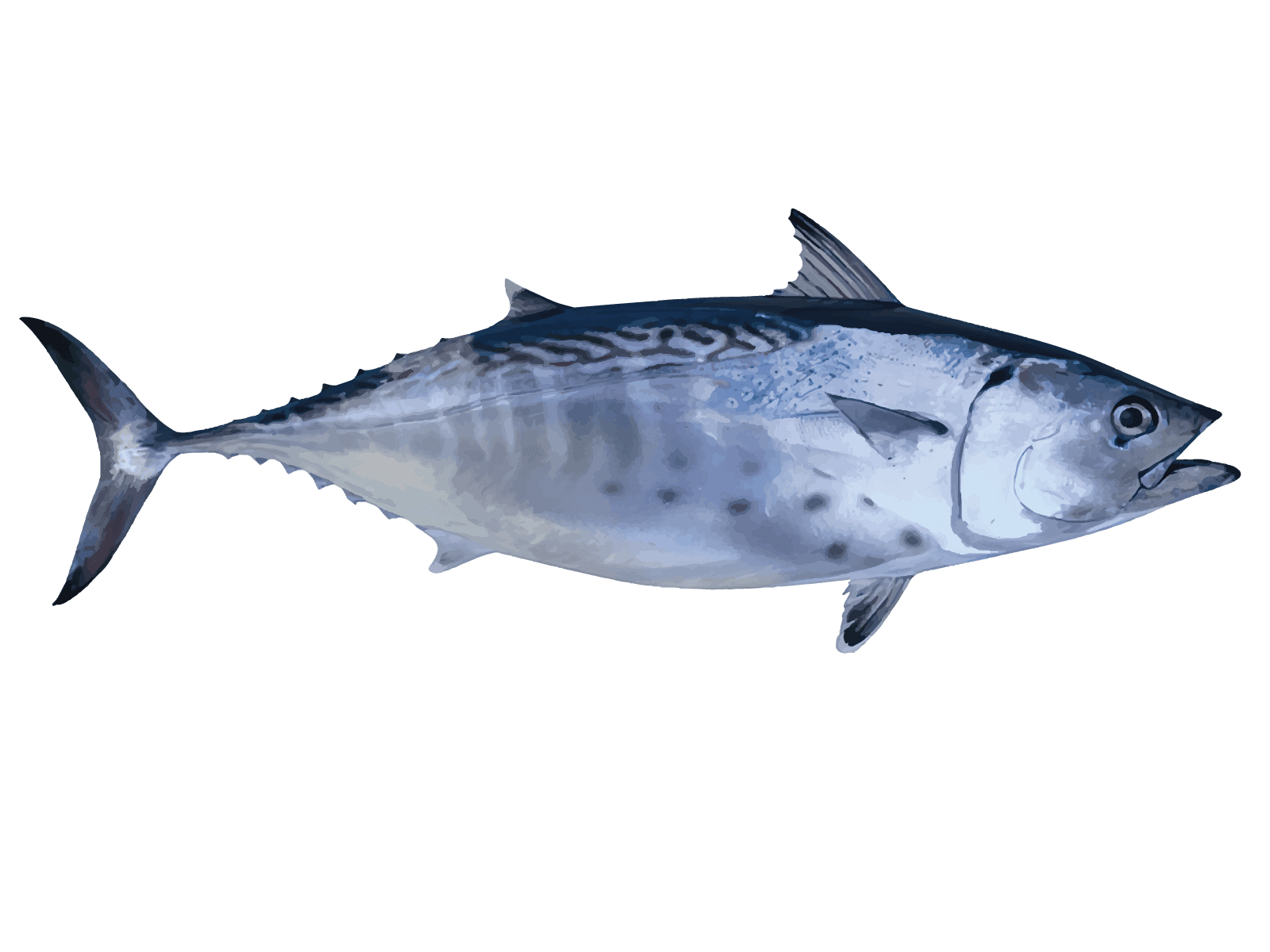
Little Tunny
Little Tunny, also called False Albacore, are small but mighty fighters. These speedsters usually run 5-12 pounds and school up near the surface. We find them from spring through fall, often within sight of shore around bait pods. They're not the best eating, but man are they fun to catch. These little rockets will smoke your drag and test your gear. Look for birds diving or bait dimpling the surface - that's often a sign Little Tunny are feeding. They'll hit small, flashy lures or live bait. Use light tackle for the most sport. When you hook one, let it run to tire itself out. Then pump and reel steadily to bring it in. Pro tip: have a dehooking tool ready, as these guys can be tricky to unhook quickly.
Mahi Mahi or Common Dolphinfish
Mahi Mahi are a blast to catch off Beaufort. These colorful fighters average 15-30 pounds but can top 60. Look for them near floating debris or weed lines, usually within 30 miles offshore. They're most active May through November when water temps are warmest. Mahi put up an acrobatic fight, leaping and tail-walking across the surface. Their vibrant blue-green and gold colors are a sight to behold. As table fare, Mahi is tough to beat - mild, firm white meat that's great grilled or blackened. When you hook one, keep the rod tip up and let it run. Once it tires, work it alongside the boat quickly. These guys often travel in pairs or small groups, so have another rod ready to catch its buddy.
Wahoo Fish
Wahoo are the speedsters of the offshore world. These sleek, torpedo-shaped fish can hit 60 mph and put up one heck of a fight. We typically find them in the warmer months, from May to November, anywhere from 20-50 miles out. Look for them near drop-offs, underwater ledges, and weed lines. Wahoo average 20-40 pounds but can top 100. They're prized for their blistering runs and tasty white meat. To land one, use wire leaders - their razor-sharp teeth will slice through mono. High-speed trolling with lures works well, but live bait is killer too. When you hook up, hang on tight and be ready for smoking runs. These fish often make several long runs before tiring out. Once you get them boat-side, be careful of those teeth when you gaff 'em.
About the Cast'n Carolina
%2F%2Fusers%2F9f5cd9d0-2add-4f49-b0a8-cd596feb950f%2Fvehicle_picture%2F473145392_10231257861968742_5218030504375736291_n1-mhbgefpj.jpg&w=1920&q=75)
Vehicle Guest Capacity: 4
Manufacturer Name: Suzuki
Maximum Cruising Speed: 40
Number of Engines: 2
Horsepower per Engine: 200